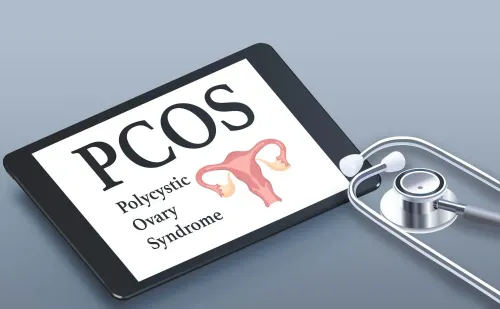
Polycystic ovary syndrome can affect menstruation, ovulation, skin, hair, metabolism, and fertility in different ways. A PCOS specialist therefore looks beyond a single symptom when assessing a woman with suspected polycystic ovary syndrome.
For women in Besa, Maharashtra, understanding the broader nature of PCOS can help prevent misconceptions about diagnosis and treatment.
PCOS Does Not Look the Same in Every Woman
One woman may seek medical advice because her periods occur only every few months. Another may experience acne or increased facial hair. Someone else may first discover a possible problem while trying to become pregnant.
Common features can include:
- Irregular menstrual cycles
- Infrequent periods
- Signs of excess androgen activity
- Difficulty with ovulation
- Acne
- Increased facial or body hair
- Weight-related metabolic concerns in some patients
Having one of these features does not by itself confirm PCOS.
An Ultrasound Alone Does Not Always Establish the Diagnosis
A frequent misunderstanding is that the appearance of multiple follicles on an ultrasound automatically means a woman has PCOS.
Diagnosis usually involves considering menstrual patterns, clinical or biochemical evidence of androgen excess, ovarian findings where relevant, and the exclusion of certain alternative explanations.
This is why clinical assessment is important.
Other Conditions May Produce Similar Symptoms
Irregular periods can have many possible causes.
Pregnancy, thyroid dysfunction, elevated prolactin, significant weight changes, certain medicines, intense physical activity, and other hormonal conditions can sometimes produce menstrual disturbances.
The purpose of medical assessment is not simply to attach a PCOS label but to determine whether the overall clinical picture supports the diagnosis.
Treatment Should Match the Patient's Current Goal
A woman trying to conceive may require a different management strategy from someone whose primary concern is menstrual regulation.
Treatment decisions may consider:
- Menstrual cycle control
- Ovulation and fertility
- Acne or unwanted hair growth
- Metabolic health
- Weight management where clinically relevant
- Future reproductive plans
There is therefore no universal PCOS prescription.
Lifestyle Measures Can Be Part of Management
Nutrition, physical activity, sleep, and sustainable weight management can form part of PCOS care, particularly where metabolic factors are relevant.
However, lifestyle advice should not replace appropriate medical evaluation when symptoms are persistent or fertility is affected.
Medication may also be considered depending on symptoms, examination findings, investigation results, pregnancy plans, and contraindications.
Long-Term Follow-Up May Be Useful
PCOS is often discussed only in relation to periods and pregnancy, but its relevance may extend beyond immediate reproductive concerns.
Periodic medical review can help assess menstrual health and metabolic risk factors according to individual circumstances.
Dr. Madhuri Waghmare provides assessment for women experiencing menstrual, hormonal, fertility, and other gynaecological concerns.
For women around Besa who suspect PCOS, documenting menstrual dates and bringing previous blood reports or ultrasound findings to an appointment can provide useful clinical context.
The most appropriate management begins with establishing what is causing the symptoms and identifying the patient's current priorities rather than relying on a single symptom, scan, or internet checklist.
Keywords