Periods arriving fewer than eight times a year, lasting more than 35 days apart, or stopping for 90 days need more than guesswork. A structured assessment can separate PCOS from pregnancy, thyroid and other conditions, then match cycle protection, metabolic care and fertility treatment to your health and plans.
Key takeaways
- Cycles under 21 or over 35 days need assessment, not automatic PCOS diagnosis.
- A 90-day gap between periods warrants medical review and cycle protection.
- PCOS care includes metabolic screening, sustainable weight support and ovulation planning.
- Specialists can assess ovulation and select fertility treatment when conception is difficult.
When irregular cycles point to PCOS—and when they may point elsewhere
An adult cycle is irregular when intervals are shorter than 21 days, longer than 35 days, occur fewer than eight times per year, or include any single gap exceeding 90 days. This cycle length assessment before PCOS diagnosis is more useful than asking whether your periods feel “regular.”
In PCOS, hormonal signals can disrupt follicle development and ovulation, causing infrequent or absent ovulation. The uterine lining can still shed without an egg being released, so bleeding does not prove that ovulation occurred. The result may be unpredictable bleeding rather than a dependable menstrual cycle.
PCOS irregular cycles may occur with acne, excess facial or body hair, or scalp hair thinning. Weight change is not required for diagnosis, and irregular periods alone do not establish PCOS. A clinician checks for other explanations, including:
- Pregnancy
- Thyroid disease
- Hyperprolactinaemia, meaning excess prolactin
- Hypothalamic amenorrhoea linked with low energy intake, intense exercise or significant stress
- Premature ovarian insufficiency
- Non-classic congenital adrenal hyperplasia
- Medication-related cycle changes
These conditions can resemble PCOS but require different treatment. Your clinician may use menstrual history, examination and targeted blood tests to separate them, then assess ovulation with serum progesterone or other testing instead of assuming that every episode of bleeding followed ovulation.
What happens during a PCOS specialist’s first assessment
Bring a cycle record, previous test or ultrasound reports, and a complete list of medicines and supplements to the PCOS specialist consultation. Note the first day of your last menstrual period, cycle intervals, number of periods in the past year, bleeding duration and heaviness, and whether pregnancy is planned.
The clinician will ask about:
- Acne, facial or body hair growth, and scalp hair thinning
- Sleep, stress, eating patterns, exercise, mood, anxiety, depression, and body-image concerns
- Medicines, supplements, recent weight changes, and previous pregnancies or fertility treatment
- Symptoms suggesting another cause, such as nipple discharge, hot flushes, severe restriction of food, or excessive exercise
Assessment usually starts with a pregnancy test, blood pressure measurement, weight, and waist circumference. Blood work can include androgen testing, TSH and prolactin testing for irregular periods, glucose testing, and lipid testing. If ovulation is uncertain, the clinician may use menstrual history, progesterone testing, cycle monitoring, or ultrasound.
The Rotterdam diagnostic criteria require two of three findings after other causes are excluded: clinical or biochemical hyperandrogenism, ovulatory dysfunction, and polycystic ovarian morphology or an elevated AMH level. Pelvic ultrasound is ordered when it will clarify the diagnosis or assess another concern.
Multiple follicles alone do not prove PCOS, and normal-appearing ovaries do not rule it out.
When irregular bleeding needs prompt care and cycle protection
Do not wait for a routine appointment if you have:
- 90 days without a period
- Very heavy bleeding, including heavy bleeding with PCOS
- Severe pelvic pain
- A positive pregnancy test with pain or bleeding
- Dizziness, breathlessness, marked fatigue or paleness
- Symptoms that suggest anaemia, such as weakness, headaches or a racing heartbeat
Long periods without ovulation can leave the uterine lining exposed to oestrogen without regular progesterone. The lining may thicken, creating an endometrial hyperplasia risk and, over time, increasing the chance of abnormal cells. Bleeding after a long gap does not prove that ovulation occurred.
A specialist may discuss these options for progestogen for endometrial protection:
- A combined oral contraceptive, which can regulate withdrawal bleeding and reduce bleeding or pain
- Intermittent progestogen, taken at planned intervals to trigger a bleed
- A progestogen-releasing intrauterine device, which acts mainly inside the uterus and can reduce heavy bleeding
No single treatment suits everyone. The choice depends on your bleeding pattern, pregnancy plans, migraine or clotting history, blood pressure, other contraindications and personal preference. Seek urgent care for fainting, severe breathlessness, uncontrolled bleeding or severe pain, particularly after a positive pregnancy test.
How weight changes and metabolic health fit into PCOS care
PCOS weight changes are a clinical issue, not a willpower test. Insulin resistance, appetite regulation, poor sleep, stress, depression, eating disorders, medicines, socioeconomic conditions and other endocrine disorders can all influence weight. Weight-inclusive PCOS care supports health without assuming weight loss is the goal.
- Build a sustainable plan around eating patterns, physical activity, sleep support and behavioural care. No single “PCOS diet,” calorie split or exercise style suits every adult, including someone who does not want to lose weight.
- Check blood pressure, glucose and lipids according to your risk and treatment plans. Before pregnancy or fertility treatment, a 75-g oral glucose tolerance test is the most accurate glycaemic assessment, including when you are not overweight.
- Discuss metformin for PCOS metabolism when insulin resistance, glucose risk or lipid abnormalities need attention, particularly with a BMI of 25 kg/m² or higher. It is not automatically the best treatment for irregular cycles or fertility.
- Ask for screening for depression, anxiety, eating disorders and body-image distress. These concerns can change appetite, sleep, treatment choices and wellbeing.
- Discuss contraception and stopping plans before using a GLP-1 receptor agonist or another anti-obesity medicine. Pregnancy safety data are inadequate, so these medicines are not fertility drugs.
How specialist care supports conception when ovulation is irregular
Irregular or absent ovulation justifies a PCOS fertility assessment before you have tried for 12 months. Do not assume PCOS explains every delay: age, time trying, semen analysis, tubal factors and other infertility causes shape the evaluation.
1. Confirm whether ovulation is occurring and investigate competing causes before choosing treatment. Home urine kits can produce false-positive ovulation tests in PCOS because luteinising hormone may remain high. Cycle monitoring, ultrasound and clinician-directed blood testing can provide clearer timing.
2. If PCOS-related anovulatory infertility is the only identified factor, letrozole ovulation induction is the recommended first-line treatment. Clomiphene, clomiphene with metformin, or injectable gonadotrophins are selected alternatives; each requires monitoring for response, ovulation, pregnancy and complications.
3. Review health before conception or fertility treatment. Check blood pressure and glucose status, with a 75-g oral glucose tolerance test providing the most accurate glycaemic assessment, including when you are not overweight. PCOS increases the risk of gestational diabetes and hypertensive pregnancy disorders.
Dr. Madhuri Waghmare Gynaecologist ! 08048095573 can coordinate the cycle evaluation, fertility investigations and preconception PCOS care Nagpur patients need, including referral for semen or tubal assessment when the findings point beyond ovulation.
Related service
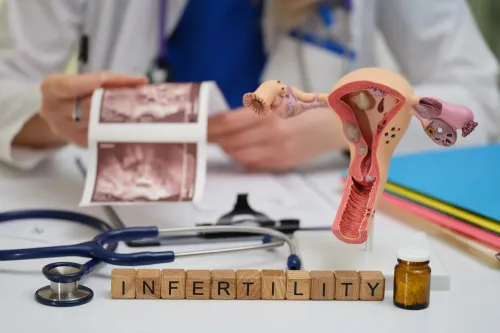
Infertility Diagnosis How do you diagnose infertility? Tests to find out the cause of infertility in women include: Blood tests. View service → |
Frequently asked questions
When do irregular cycles suggest PCOS?
Cycles shorter than 21 days, longer than 35 days, fewer than eight periods yearly, or a gap exceeding 90 days need assessment. PCOS is only one possible cause; thyroid disorders, high prolactin, pregnancy, perimenopause and other conditions can also disrupt cycles.
What happens during a first PCOS assessment?
A specialist reviews your cycle dates, bleeding pattern, symptoms, medicines, pregnancy history and fertility goals. Assessment can include a pregnancy test, blood tests for thyroid function and other hormones, metabolic screening, and an ultrasound when clinically appropriate.
When does irregular bleeding need prompt care?
Seek prompt care for very heavy bleeding, dizziness or fainting, severe pelvic pain, bleeding during pregnancy, or bleeding after menopause. A gap of more than 90 days also needs review because prolonged absence of ovulation can affect the uterine lining.
How does weight change fit into PCOS care?
Unexpected weight gain or loss can reflect insulin resistance, thyroid disease, medication effects or another condition. Care focuses on blood pressure, glucose or HbA1c, cholesterol, nutrition, activity, sleep and realistic goals rather than weight alone.
How can a PCOS specialist help with conception?
The specialist confirms whether ovulation is occurring, checks other fertility factors when needed, and discusses timed intercourse, ovulation-induction medicines or referral for assisted reproduction. Treatment depends on your test results, health and pregnancy goals.