Do not use the 12-month waiting rule when irregular periods, previous pelvic disease, advanced reproductive age, or other fertility risks are already present. By the end, you will know when to book an appointment, what both partners should prepare, which tests answer which questions, and when specialist referral or laparoscopy enters the discussion.
Key takeaways
- Seek evaluation after 12 months under age 35, or six months at age 35 or older.
- Consult sooner for irregular periods, endometriosis, prior pelvic surgery, or known sperm problems.
- Expect medical history, physical examination, semen analysis, ovulation tests, and tubal assessment.
- Laparoscopy is reserved for suspected endometriosis, adhesions, or unexplained pelvic pain.
When should you consult a gynecologist about infertility?
If you are deciding when to consult a gynecologist for infertility, use the timing thresholds below as a guide. They apply to regular, unprotected vaginal intercourse and are evaluation points, not deadlines that force you to keep trying despite warning signs.
| Age of female partner | Infertility evaluation timing | What to do |
|---|---|---|
| Under 35 | After 12 months trying to conceive | Arrange an evaluation |
| 35–39 | After 6 months trying to conceive after age 35 | Arrange an evaluation promptly |
| 40 or older | Without delay | Seek evaluation now |
Seek help sooner than these timeframes if periods are absent or highly irregular, ovulation seems unlikely, or you have suspected endometriosis, pelvic inflammatory disease, a previous ectopic pregnancy, recurrent miscarriage, tubal or uterine disease, ovarian surgery, chemotherapy, or pelvic radiation. A history of infertility or suspected male-factor infertility also warrants early assessment.
Seek emergency medical care instead of waiting for a routine appointment if you have:
- Severe or one-sided pelvic pain
- Fainting or marked dizziness
- Heavy vaginal bleeding
- Fever with pelvic pain or abnormal discharge
- A positive pregnancy test with pain or bleeding
These symptoms can indicate ectopic pregnancy, pelvic infection, or another urgent condition. For a routine evaluation, both partners should attend or provide information at the same time; a semen analysis is an early, simple test, and infertility is not solely a woman’s problem.
What happens at the first fertility consultation?
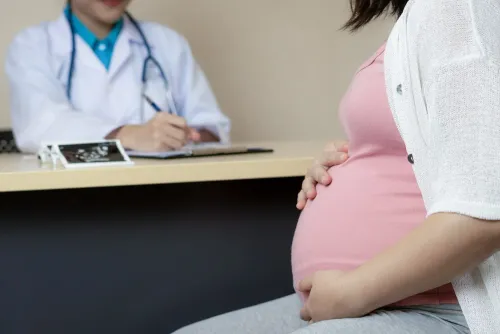
At the first infertility appointment, the gynecologist takes a fertility medical history rather than ordering one test and stopping there. Expect questions about your menstrual history, cycle length, bleeding, ovulation signs, intercourse timing, contraception, previous pregnancies or miscarriages, pelvic surgery, infections, medical conditions, medications, and family fertility history.
Both partners should be assessed from the outset. The partner who produces sperm usually needs a semen analysis early because male-factor infertility can exist alone or alongside a female-factor problem. Delaying that assessment can lead to months of unnecessary treatment aimed at only one person.
Your examination depends on your symptoms and history. It may include blood pressure and general examination, a pelvic examination when indicated, and an ultrasound to assess the uterus, ovaries, or pelvic tenderness. Tell the clinician about severe pain, irregular or absent periods, previous ectopic pregnancy, endometriosis, or chemotherapy before any examination.
Bring these items to the appointment:
- A record of the first day of each period for the past six to twelve months
- Previous ultrasound, blood-test, surgery, pregnancy, miscarriage, or infection records
- A complete list of medicines, supplements, allergies, and past contraception
- Your partner’s relevant medical history and any existing semen analysis
- Written questions about timing, tests, treatment choices, risks, and costs
Bring both partners when possible, and write down answers before leaving.
Which fertility tests answer which questions?
Each fertility test answers a different question, so one normal result cannot rule out every cause of infertility. Both partners need assessment from the outset.
| Test | Question answered | Important limit |
|---|---|---|
| Semen analysis | Are sperm count, movement and shape adequate for conception? | Results vary; repeat testing may be needed after an abnormal result. |
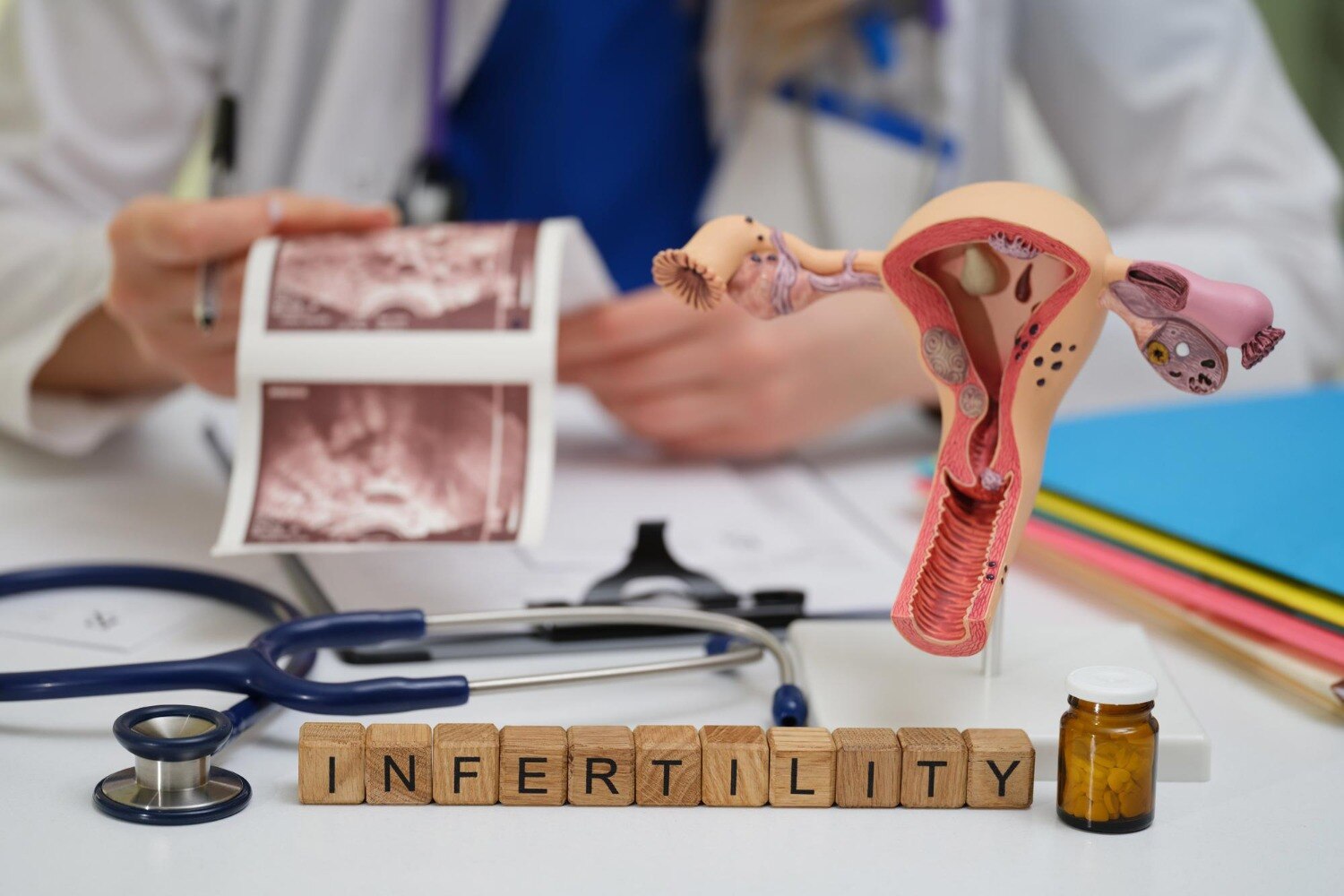
| Pelvic ultrasound fertility evaluation | Are the uterus and ovaries structurally normal? Are fibroids, cysts or signs of polycystic ovaries present? | A routine ultrasound does not prove that the fallopian tubes are open. |
| Thyroid-stimulating hormone fertility testing | Is thyroid dysfunction disrupting ovulation or pregnancy planning? | An abnormal result needs interpretation with thyroid hormone levels and symptoms. |
| Prolactin test infertility evaluation | Is raised prolactin interfering with ovulation or menstrual regularity? | Stress, medicines and pregnancy can affect the result. |
| Anti-Müllerian hormone, antral follicle count and follicle-stimulating hormone | How large is the ovarian reserve, and how might the ovaries respond to stimulation? | These tests do not independently diagnose infertility or predict spontaneous pregnancy reliably. |
| Hysterosalpingography or contrast ultrasound | Is the uterine cavity suitable for implantation, and are the fallopian tubes open? | The procedure selected depends on your history and local expertise. |
| Progesterone blood test | Did ovulation probably occur during that cycle? | One result is meaningful only when timed correctly; it does not measure egg quality, prove normal fertility or identify every ovulation problem. |
Your gynecologist matches results with age, menstrual pattern, duration of infertility and both partners’ findings. Treatment should not be chosen from an ovarian-reserve result alone.
When is laparoscopy useful in an infertility work-up?
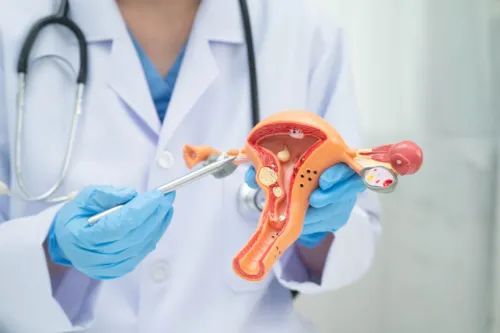
Laparoscopy is useful when symptoms, imaging, or medical history point to endometriosis, pelvic adhesions causing infertility, blocked or damaged tubes, or another pelvic condition that less-invasive tests cannot clarify. During the procedure, a camera examines the uterus, tubes, ovaries, and surrounding pelvis; the surgeon can sometimes treat endometriosis or remove adhesions at the same time.
It is not a routine first-line test because it requires surgery and general anaesthesia. Semen analysis, pelvic ultrasound, ovulation assessment, and hysterosalpingography or contrast ultrasound usually answer the initial questions without abdominal incisions. An endometriosis fertility evaluation may still require laparoscopy when pain, previous surgery, infertility duration, or inconclusive imaging changes the balance.
Ask your gynaecologist whether laparoscopy for infertility is appropriate if you have:
- Severe period pain, pain during sex, or suspected endometriosis
- Previous pelvic infection, ectopic pregnancy, or abdominal surgery
- Suspected tubal blockage or pelvic adhesions
- An abnormal scan or persistent infertility after initial testing
You will receive intravenous medicines and general anaesthesia, so you will be asleep and need someone to take you home. Small abdominal incisions cause soreness, bloating, or shoulder-tip pain; many people resume light activities within several days, although full recovery takes longer after treatment.
Discuss laparoscopy recovery and risks, including bleeding, infection, anaesthetic reactions, blood clots, and rare injury to the bowel, bladder, or blood vessels.
How do you decide on infertility treatment after the evaluation?
Age sets urgency, but an ovarian-reserve result alone should not dictate care. Your diagnosis, how long you have been trying, both partners’ results, treatment risks, preferences, and budget matter just as much.
1. Match treatment to the cause. Regularly timed intercourse or ovulation induction may suit an ovulation problem. Surgery has a role for selected structural conditions, while intrauterine insemination and IVF address different combinations of tubal, ovulatory, sperm, and unexplained factors.
2. Weigh the time available. At 35 or older, treatment planning becomes more time-sensitive; at 40 or older, delaying specialist input can reduce options. Twelve months of trying under age 35 and six months at ages 35 to 39 are evaluation thresholds, not reasons to postpone care when concerns already exist.
3. Include both partners’ findings. A sperm abnormality, blocked tubes, severe endometriosis, or repeated pregnancy loss changes the safest next step. Discuss injections, multiple pregnancy, ovarian hyperstimulation, anaesthesia, emotional demands, and the total cost before choosing.
4. Ask for a reproductive endocrinologist referral when there is suspected tubal disease, severe endometriosis, markedly reduced ovarian reserve, significant male-factor infertility, recurrent pregnancy loss, advanced reproductive age, or failure of initial treatment.
A Nagpur consultation can organise records, review results, assess both partners, and create a referral plan. Dr. Madhuri Waghmare Gynaecologist ! 08048095573 can begin this decision process without treating one test as the answer.
Related service
Infertility Diagnosis How do you diagnose infertility? Tests to find out the cause of infertility in women include: Blood tests. View service → |
Frequently asked questions
When should you consult a gynecologist about infertility?
Seek evaluation after 12 months of regular, unprotected intercourse if you are under 35, or after six months if you are 35 or older. Consult sooner for irregular periods, endometriosis, prior pelvic surgery, pelvic pain, or known sperm problems.
What happens at the first fertility consultation?
The gynecologist reviews your menstrual, pregnancy, medical, surgical, medication, and sexual history, then discusses examination and fertility tests for both partners.
Which fertility tests answer which questions?
Ovulation tests assess egg release, semen analysis assesses sperm count and movement, ultrasound examines the uterus and ovaries, and tubal tests check whether the fallopian tubes are open.
When is laparoscopy useful in an infertility work-up?
Laparoscopy helps identify and treat endometriosis, pelvic adhesions, blocked tubes, or other pelvic abnormalities when symptoms or earlier test results support surgery.
How do you decide on infertility treatment after the evaluation?
Treatment depends on age, duration of infertility, ovulation, sperm results, tubal health, ovarian reserve, and pregnancy goals. Options include timed intercourse, ovulation medicines, IUI, or IVF.