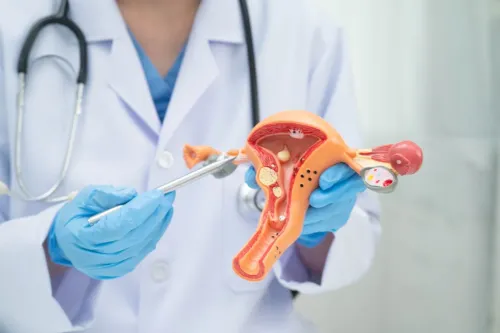
The first fertility consultation can feel overwhelming because couples often arrive expecting an immediate diagnosis or treatment plan. In reality, a Gynecologist for infertility treatment usually begins by understanding the reproductive history and deciding which investigations are appropriate.
For couples in Beltarodi, Maharashtra, knowing what to expect can make the first appointment more productive.
Bring Relevant Medical Information
Useful records may include previous ultrasound reports, hormone tests, semen analysis, operative records, previous fertility treatment details, and information about earlier pregnancies or miscarriages.
A list of current medicines and supplements can also be helpful.
For women with irregular cycles, recording menstrual dates for several months may provide useful information about cycle patterns.
Expect Detailed Questions
The consultation may cover:
- Duration of attempts to conceive
- Frequency and timing of intercourse
- Menstrual cycle pattern
- Previous pregnancies
- Previous pelvic infections
- Gynaecological surgery
- Known PCOS or endometriosis
- Medical conditions
- Medicines
- Relevant family history
Some questions may feel personal, but they can provide clinically important information.
Both Partners May Need Assessment
Infertility should not automatically be treated as a female problem.
Male factors can contribute to difficulty conceiving, so semen analysis may form part of the initial evaluation when appropriate.
Assessing both partners can sometimes prevent unnecessary investigations and delays.
Testing Should Be Purposeful
Different investigations answer different fertility questions.
Blood tests may help evaluate hormonal or ovulatory factors. Ultrasound can provide information about the uterus and ovaries. Other tests may be used to evaluate the fallopian tubes or uterine cavity when clinically indicated.
The appropriate combination depends on age, menstrual history, duration of infertility, previous conditions, and earlier test results.
More testing is not automatically better.
Treatment May Begin With the Underlying Problem
Not every couple requires advanced reproductive treatment.
If irregular ovulation is identified, management may focus on that problem. Structural gynaecological conditions may require a different approach. Male fertility abnormalities may require appropriate specialist input.
In other situations, assisted reproductive treatment may eventually be considered.
Dr. Madhuri Waghmare evaluates infertility concerns within the broader context of gynaecological and reproductive health.
Prepare Questions Before the Appointment
Couples may find it useful to ask:
- What factors could be affecting conception?
- Which investigations are necessary first?
- Should both partners be tested?
- Does age affect how quickly we should proceed?
- Is ovulation occurring regularly?
- When should treatment options be discussed?
- When might referral for assisted reproduction be appropriate?
The first fertility appointment is best viewed as the beginning of an evaluation rather than a promise of immediate treatment.
For couples around Beltarodi, seeking assessment at an appropriate time can help replace assumptions with clinically relevant information. Once potential contributing factors are understood, treatment decisions can be discussed according to diagnosis, age, reproductive goals, and individual circumstances.
Keywords