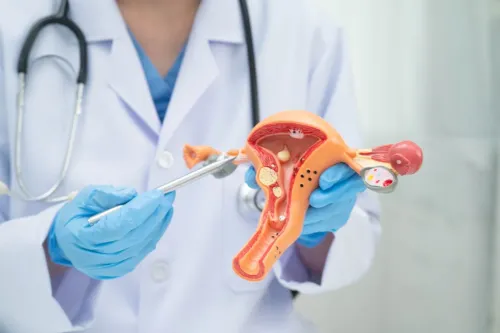
Heavy, painful, irregular or unexpected bleeding is not always a problem to monitor at home, especially when pregnancy is possible or symptoms affect daily life. You will be able to identify routine concerns, same-day warning signs, appropriate care options and the information to take to an appointment.
Key takeaways
- Seek assessment for bleeding longer than 7 days or soaking one pad hourly for 2 hours.
- Severe, worsening, or pain-limiting period pain needs medical evaluation.
- Ask promptly about bleeding or pain during pregnancy, contraception changes, or missed periods.
- Prepare cycle dates, symptoms, medicines, contraception details, and fertility concerns for your appointment.
Which menstrual changes need a gynecologist’s assessment?
Book a gynecologist’s appointment when bleeding or cycle timing crosses a clear threshold. Heavy menstrual bleeding lasting more than 7 days, soaking a pad or tampon every hour for 2 hours, needing nighttime changes, or repeatedly passing large clots needs assessment.
- Arrange evaluation for bleeding between periods, bleeding after sex, periods that stop for 3 months, or irregular periods under 21 or over 35 days apart.
- Seek urgent care for rapid bleeding with lightheadedness, fainting, shortness of breath or chest pain.
- A single unusual cycle can follow stress, illness, weight change or a new contraceptive. A new pattern that persists needs assessment, even if each episode seems mild.
| Life stage | Consult when | Why it matters |
|---|---|---|
| Adolescent | Menstruation has not begun by age 15 or within 3 years of breast development; cycles consistently fall outside 21–45 days; bleeding is very heavy; or pain disrupts school and normal activities | Heavy bleeding can cause iron-deficiency anaemia and may signal an inherited bleeding disorder |
| Postmenopausal | Any vaginal bleeding, including pink or brown spotting, occurs after 12 months without periods | Postmenopausal bleeding requires evaluation |
| Any age | Abnormal bleeding continues despite up-to-date cervical screening | Screening is preventive; it does not diagnose the cause of bleeding |
Do not wait for a screening appointment to investigate symptoms. A gynecologist may assess pregnancy possibility, contraception, infection, anaemia, hormone-related causes, polyps or other conditions based on your history and examination.
When is period pain a warning sign rather than expected discomfort?
Pain that disrupts school, work, sleep, sex or ordinary activities deserves a gynecological assessment. Arrange routine care when severe period pain begins after previously painless periods, returns repeatedly, or remains severe after several months of appropriate first-line treatment.
| Level of care | Warning signs | What to do |
|---|---|---|
| Routine appointment | Recurrent pain, pain affecting daily activities, or pain that began later in life | Book a gynecological assessment |
| Prompt assessment | Lower-abdominal pain with fever, foul-smelling discharge, pain during sex or pain when urinating | Seek timely care for possible pelvic inflammatory disease |
| Emergency care | Severe sudden pelvic pain, fainting, high fever, heavy rapid bleeding, chest pain, shortness of breath or lightheadedness | Go to an emergency department now |
Possible causes include endometriosis, adenomyosis, fibroids, pelvic inflammatory disease and ovarian cysts. These symptoms do not establish a diagnosis.
Pelvic inflammatory disease needs timely treatment because delay can contribute to chronic pelvic pain, infertility and increased ectopic pregnancy risk. If pregnancy is possible, one-sided pain, bleeding, shoulder pain, dizziness or fainting also requires urgent assessment.
Occasional over-the-counter pain relief can help, but repeatedly self-treating may mask a condition. Do not stop prescribed hormonal treatment without advice; symptoms can worsen. Surgery is not automatic: the cause and your response to treatment determine the next step.
What changes during pregnancy, contraception and reproductive stages need prompt advice?
A late or unusually light period calls for a pregnancy test, not reliance on a period-tracking app. A positive result with pregnancy bleeding and one-sided pain, vaginal bleeding, shoulder pain, dizziness or fainting needs urgent assessment for possible ectopic pregnancy. Severe vomiting, fever or worsening pain also requires prompt medical care.
1. Discuss contraception side effects with a gynecologist, including changed bleeding patterns, nausea, pain, mood effects, missed pills, injectable contraception, alternatives and stopping treatment.
Emergency contraception is time-sensitive: a copper intrauterine device can be placed within 5 days of unprotected intercourse and is the most effective option; emergency-contraception pills work best as soon as possible and some work within 5 days.
2. Seek tailored advice for postpartum or breastfeeding changes, perimenopause symptoms, unusual discharge or odour, vulval itching or sores, pain during sex, urinary leakage, pelvic pressure or other sexual-health concerns. Pelvic pain with fever, foul-smelling discharge or pain when urinating needs timely assessment for infection or pelvic inflammatory disease.
3. Arrange a preconception review before trying to conceive if you have diabetes, thyroid disease, epilepsy, hypertension, a psychiatric condition, regular medicines or a previous pregnancy complication. Ask about medication changes and take 400 micrograms of folic acid daily unless your clinician advises a different dose.
Sudden severe pain, fainting, heavy bleeding, high fever or difficulty keeping fluids down belongs in emergency care rather than a routine appointment.
When should you seek fertility or sexual-health evaluation?
If you are under 35, waiting 12 months of regular unprotected intercourse before a fertility evaluation is reasonable when periods are regular and neither partner has a known risk. Fertility evaluation after age 35 should begin after 6 months. Seek help sooner if you have:
- Irregular or absent periods
- Suspected endometriosis or tubal disease
- A previous pelvic infection
- Another known fertility risk
Assessment is for both partners, not only the person trying to become pregnant. It can include medical and sexual history, menstrual and ovulation review, semen analysis, targeted blood tests, infection assessment and imaging when indicated. No single test establishes the cause.
Unusual discharge, a new odour, pelvic pain, pain during sex or urinary symptoms warrant assessment for infection even without a fertility goal. Pelvic pain with fever or foul-smelling discharge needs timely care because pelvic inflammatory disease can affect fertility.
Sexually active people under 25 generally need annual chlamydia and gonorrhea STI screening, even without symptoms. At 25 or older, discuss screening with a new or multiple partner, a partner with an STI or inconsistent condom use.
Cervical screening is preventive, not a diagnostic test for new symptoms. Abnormal bleeding still needs examination, including bleeding between periods or after sex, regardless of whether your cervical screening is up to date.
How should you prepare for the appointment, and where should you go?
Go to emergency care for severe sudden pain, fainting, high fever, rapidly soaking pads or tampons, or a positive pregnancy test with pain or bleeding.
| Care choice | When it fits |
|---|---|
| Gynecologist | Persistent menstrual, contraception, pelvic, pregnancy-planning or general reproductive concerns |
| Primary-care clinician | Initial assessment when specialist access is limited |
| Fertility specialist | After 12 months of trying under age 35, 6 months at 35 or older, or sooner with irregular periods, suspected endometriosis, tubal disease or complex risks |
Good gynecologist appointment preparation starts with recording cycle dates, bleeding volume, clots, pain severity, associated symptoms, medicines, contraception, pregnancy history and previous diagnoses. Bring ultrasound reports, laboratory results, prescriptions and discharge summaries.
An initial evaluation can include your medical and menstrual history, pregnancy testing, a blood count for suspected anaemia, thyroid testing when relevant, a pelvic examination when indicated and pelvic ultrasound when symptoms justify it. Ask why an internal examination is needed, request an explanation before each step, and ask for privacy and a chaperone.
Pelvic examination consent means you can pause or decline.
In Nagpur, Dr. Madhuri Waghmare Gynaecologist ! 08048095573 can provide consultation for menstrual, contraception, fertility and general gynaecological concerns; bring your records and ask when follow-up is required. Return after treatment as advised, or seek earlier review if bleeding, pain, fever or faintness persists or worsens.
Frequently asked questions
Which menstrual changes need a gynecologist’s assessment?
Arrange an assessment for bleeding lasting more than 7 days, soaking a pad or tampon every hour for 2 hours, needing nighttime changes, repeatedly passing large clots, or cycles that become persistently irregular.
When is period pain a warning sign?
Seek evaluation when pain is severe, worsening, starts after years of manageable periods, continues beyond the first days of bleeding, causes missed work or school, or does not improve with recommended treatment.
Which pregnancy or contraception changes need prompt advice?
Contact a gynecologist promptly for bleeding, pelvic pain, severe vomiting, a positive pregnancy test with pain, missed periods after contraception changes, or troublesome side effects from hormonal contraception.
When should you seek fertility or sexual-health evaluation?
Book an evaluation for difficulty conceiving, repeated pregnancy loss, painful sex, unusual discharge, genital sores, bleeding after sex, or possible exposure to a sexually transmitted infection.
How should you prepare for a gynecologist appointment?
Record your cycle dates, bleeding volume, pain pattern, symptoms, pregnancy history, contraception, medicines, test results, and questions. Bring relevant reports and note when symptoms began.