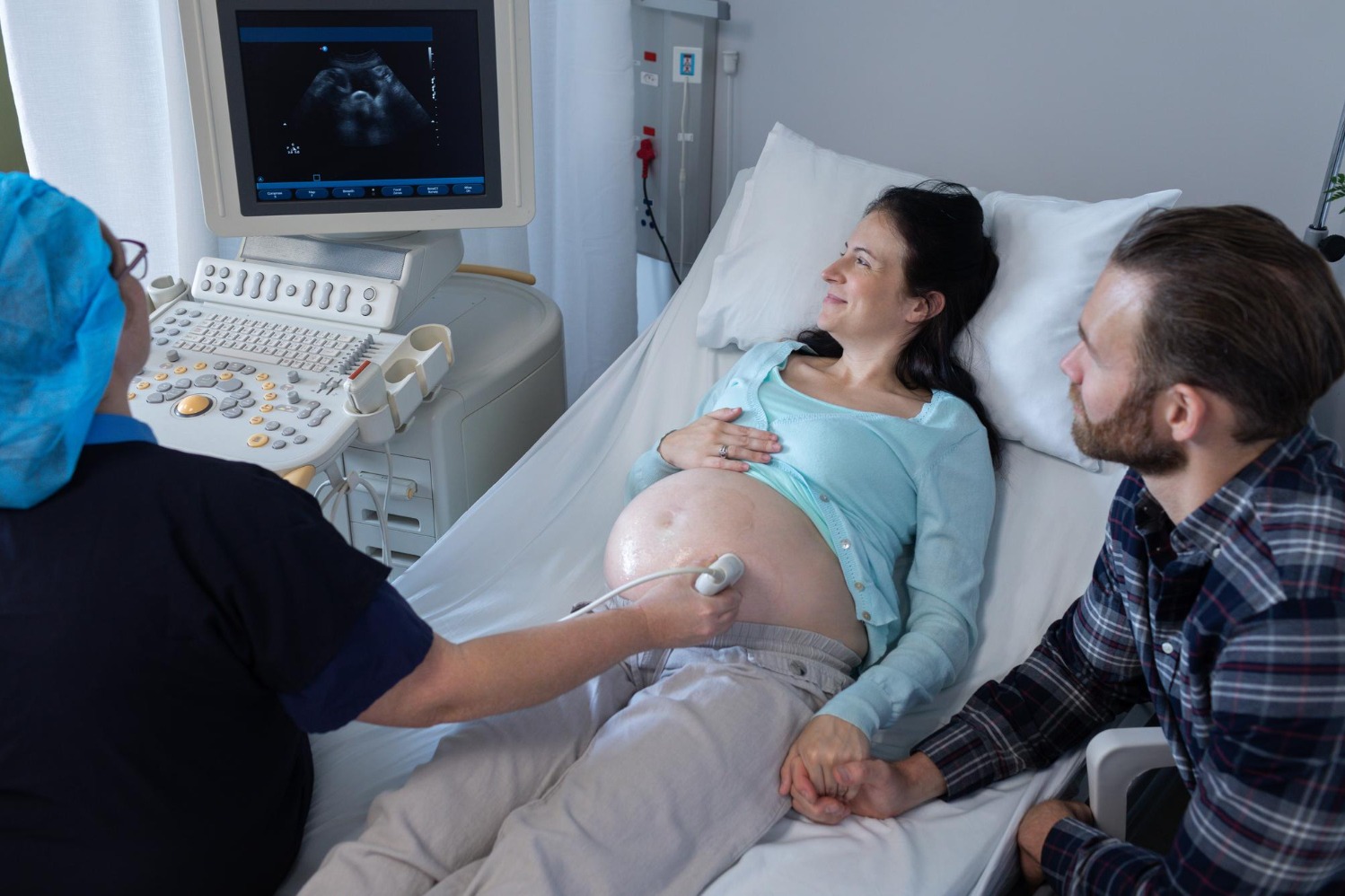
Choosing a Maternity hospital involves more than comparing rooms, packages, and distance from home. The clinical facilities available for the mother and newborn can become particularly important if labour does not progress as expected or an unexpected complication develops.
For families in Manish Nagar, Maharashtra, evaluating maternity facilities before the expected delivery date can make practical preparation easier.
Start With Clinical Capability
Comfort is valuable, but medical capability should come first.
Ask whether the facility provides appropriate obstetric services and how it manages urgent situations during labour.
Important considerations may include:
- Labour room facilities
- Availability of Caesarean delivery when indicated
- Anaesthesia support
- Newborn assessment
- Emergency response arrangements
- Laboratory and imaging access
- Referral pathways for higher-level care
Requirements differ between routine and high-risk pregnancies.
Understand the Doctor's Hospital Association
If you already have an obstetrician, ask where the doctor conducts deliveries and which facilities are appropriate for your pregnancy.
This is particularly important because selecting a hospital independently does not necessarily mean your chosen doctor practices there.
Women consulting Dr. Madhuri Waghmare can discuss maternity planning in the context of their pregnancy and clinical requirements rather than making the decision solely from general hospital advertising.
Consider Travel Time
Distance becomes practical when labour begins.
Families around Manish Nagar should consider typical traffic conditions, travel time during different parts of the day, transportation availability, and an alternative route where practical.
For a high-risk pregnancy, the medically appropriate facility may be more important than simply selecting the closest option.
Ask What the Maternity Package Includes
Packages can differ considerably.
Before making financial comparisons, clarify what is included and what may be billed separately.
Items to ask about include room category, routine delivery charges, operating theatre charges, anaesthesia, medicines, investigations, newborn care, additional stay, and charges arising from complications.
Clinical needs can change, so quoted package costs should not be interpreted as a guarantee of the final bill.
Review Newborn Support
Ask how newborns are assessed immediately after birth and what happens if additional neonatal observation or treatment is required.
If a pregnancy has identified fetal or maternal risk factors, the appropriate level of newborn support becomes an especially important consideration.
Understand Emergency Arrangements
A maternity facility should have a clear process for responding to complications.
Patients can ask what happens if an urgent Caesarean section becomes necessary, if the mother requires additional medical support, or if the baby needs specialized neonatal care.
Prepare Before the Due Date
Once a facility has been selected, families can prepare documents, medical records, identification, necessary personal items, transportation plans, and emergency contact details.
Knowing where to go can reduce last-minute confusion.
The right maternity facility depends on the individual pregnancy. A healthy woman with an uncomplicated pregnancy may have different requirements from someone with diabetes, hypertension, previous obstetric complications, or anticipated neonatal needs.
Evaluating medical capability, accessibility, doctor availability, emergency support, and newborn care provides a more useful foundation for maternity planning than choosing on appearance or room amenities alone.
Keywords